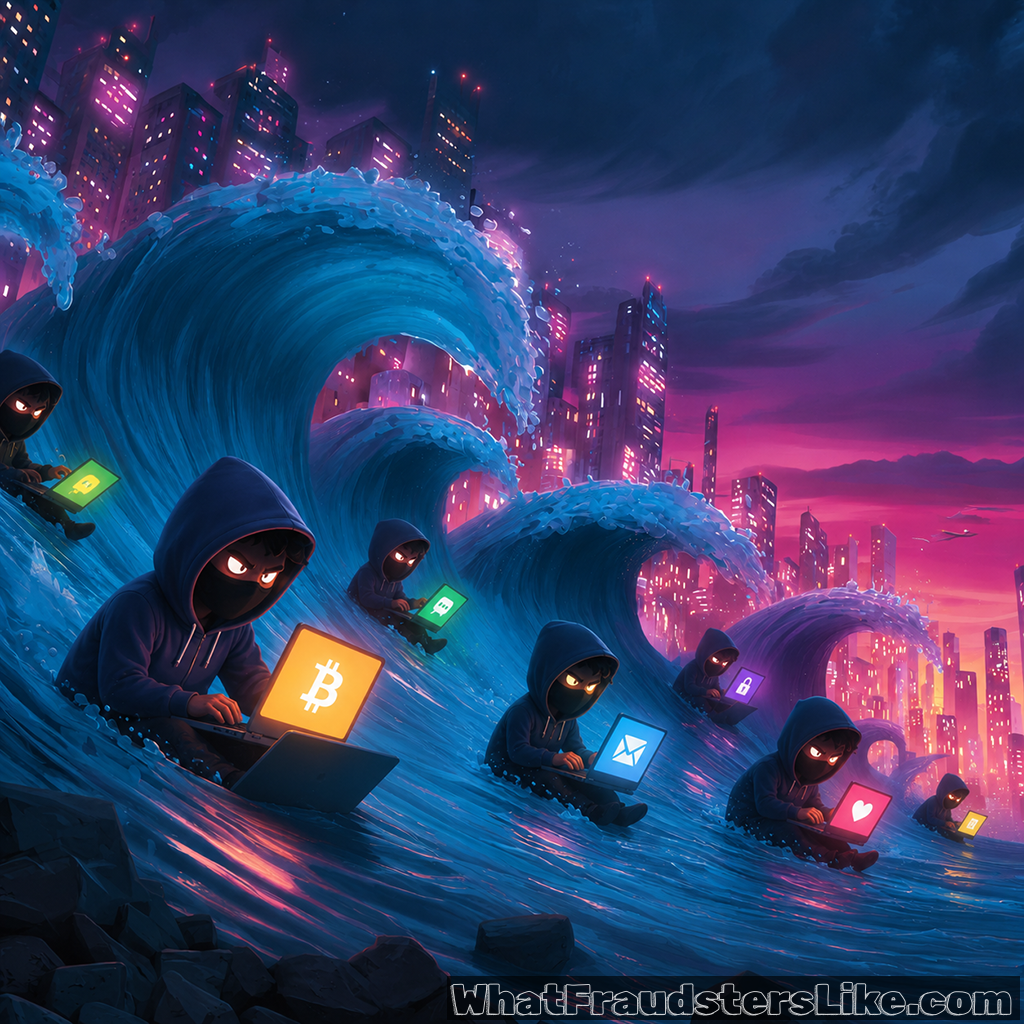
The moment a disaster strikes, a election result drops, or a brand goes viral - before most people have even finished reading the headline - fraudsters are already live. Fake donation pages. Fake investment platforms. Fake merchandise. Fake giveaways. They don't create the moment. They just hijack it.
Trendjacking is the practice of inserting fraud into the attention wave of a breaking event. It works because emotional states - fear, empathy, excitement, outrage - reduce the critical thinking that would normally stop people from clicking, donating, or investing without checking.
How fraudsters ride the trend:
🌍 Disaster relief and charity fraud - Within hours of a major earthquake, flood, or conflict, hundreds of fake donation pages appear across social media, search results, and email. They use the names of real disasters, real victims, and sometimes real charities with slightly altered URLs. After the 2023 Turkey-Syria earthquake, the FBI and CISA issued warnings within 48 hours about fraudulent donation solicitations already in circulation. After Hurricane Helene in 2024, the FTC received thousands of reports of fake relief fundraisers in the first week alone.
📈 Investment scams riding hype waves - When AI stocks surged in 2024, fake investment platforms promising "AI-powered returns" multiplied rapidly. When crypto prices spike, fake exchanges and fake airdrops appear within days. Fraudsters know that FOMO and trend momentum override due diligence - and they build their offers to look exactly like the thing everyone is talking about.
🏆 Major events - elections, sports championships, cultural moments - Fake merchandise, counterfeit ticket platforms, fake polling sites harvesting personal data, fake political donation pages impersonating real campaigns. During major sporting events, Action Fraud (UK) consistently reports a spike in ticket fraud and fake streaming site subscriptions. US election cycles generate hundreds of lookalike donation pages impersonating real candidate campaigns.
🎭 Brand hijacking during viral moments - When a brand does something that goes viral, fraudsters create fake social accounts, fake giveaway pages, and fake customer service contacts riding the attention. The brand's viral moment becomes the cover story for credential harvesting or payment fraud. Victims trust the communication because they just saw the brand trending.
🔗 Search poisoning and phishing on trending keywords - When a term is trending, fraudsters rush to rank malicious pages against it. Searches for "how to help [disaster]", "[event] live stream free", or "[trending topic] investment" surface fraudulent results early because fraudsters optimise for speed, not legitimacy. Google Trends is a public tool - and attackers watch it.
💔 Crowdfunding and human interest fraud - Trending personal stories - a sick child, a displaced family, a community destroyed by disaster - are replicated as fake crowdfunding campaigns. Real stories are copied, images are stolen, and donor empathy is redirected to fraudsters. GoFundMe and similar platforms remove thousands of fake campaigns per year, but many operate long enough to collect real donations.
The speed is the weapon. Legitimate organisations take time to set up verified donation channels, official communications, and secure platforms. Fraudsters take hours. They win the first-mover advantage on every major event - and they count on public attention moving faster than public caution.
What to do before you click, donate, or invest:
For individuals:
- Pause before the emotion pushes you to act. Trendjacking specifically exploits the window between emotional reaction and rational thought. A genuine charity or investment will still exist tomorrow.
- Donate only through established, verified organisations - use Charity Navigator, GiveWell, or the national charity regulator in your country to verify before giving. Type the URL directly rather than clicking from social media or email.
- Check the domain. Fake disaster pages use names like "turkey-quake-relief[.]org" registered the day the earthquake happened. A domain registered within days of the event is a red flag.
- Treat urgency as a signal to slow down, not speed up. Legitimate fundraisers do not expire in 24 hours.
For organisations:
- Monitor for brand impersonation proactively during high-profile events involving your sector, products, or name. Set up alerts for lookalike domains and fake social accounts.
- Pre-prepare verified communication channels for crisis situations so customers and the public have an official reference point before fraudsters fill the vacuum.